
The Rise of Keyless Living: What It Means for Privacy and Control
Over the past decade, the idea of keyless living has shifted from science fiction to everyday reality for millions globally. Traditional keys and the stress of lost or stolen duplicates are giving way to digital entry solutions, such as electronic door locks for homes, biometric scanners, and app-controlled access that offer unmatched convenience and control. However, as with any technology that changes how we manage our personal spaces, keyless living raises important questions around privacy, security, and who truly holds control over our homes.

The Convenience Revolution
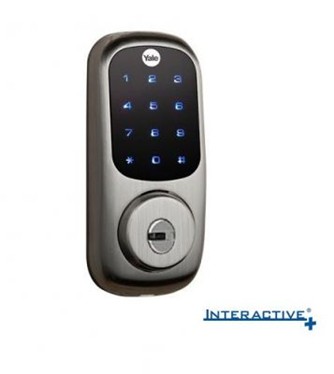
The most immediate and obvious benefit of keyless living is convenience. Traditional keys have long been a source of frustration. With keyless systems, the door becomes accessible through smartphones, PIN codes, or even biometric data like fingerprints and facial recognition.
For busy professionals, families, and tech-savvy individuals, this convenience cannot be overstated. You can grant temporary access to guests, delivery people, or service providers remotely, eliminating the need for physical key exchanges. Notifications alert you when someone enters or leaves, providing real-time awareness that was impossible with traditional locks.
Moreover, keyless entry integrates seamlessly with broader smart home ecosystems, enabling automated scenarios where your door locks automatically when you leave or unlocks as you approach. This level of integration elevates home security from a passive barrier to an active, responsive system that adapts to your lifestyle.
Redefining Security Habits
While the convenience is clear, it also fundamentally shifts how people think about security. In the past, the physical possession of a key was the main form of access control. Now, security depends on digital credentials, introducing new vulnerabilities and habits.
Users must now consider cybersecurity practices alongside physical security. A strong password for your smart lock app, regular software updates, and cautious sharing of access codes become essential. Unlike a physical key, which can only be lost or copied, digital access can be hacked or intercepted if proper precautions are not taken.
On the flip side, keyless systems provide enhanced audit trails. Homeowners can see exactly who accessed their property and when, adding a layer of accountability that traditional locks lack. This capability encourages more vigilant monitoring of access and promotes proactive security management rather than reactive responses to lost keys or break-ins.
Privacy in the Era of Digital Access
One of the most critical concerns surrounding keyless living is privacy. Every digital access system collects data - who entered, at what time, from which device - and in many cases, this data is stored on cloud servers managed by third-party companies. This raises important questions about who owns the information, how it is protected, and who can access it.
For example, could your access logs be subpoenaed during legal disputes? Could hackers exploit these data troves to track your habits or even pinpoint when your home is unoccupied? While many manufacturers implement robust encryption and data privacy policies, the risk of breaches or misuse remains a concern.
Moreover, biometric access methods, like fingerprint or facial recognition, introduce unique privacy challenges. Unlike passwords, biometric data cannot be changed if compromised. This makes the security and ethical management of such sensitive data paramount.
Empowerment Through Control
Despite privacy concerns, keyless living also empowers homeowners with greater control over their environments. Unlike physical keys, which are difficult to track once duplicated or lost, digital access can be easily managed and revoked. You can issue time-limited codes, restrict access to specific doors, or disable credentials instantly if you suspect misuse.
This level of granular control is especially valuable for multi-user households, rental properties, or small businesses. Property managers can provide remote access to maintenance staff during scheduled hours without compromising overall security. Families can set different access permissions for children, caregivers, and guests, tailoring security to individual needs.
The empowerment extends to how individuals relate to their homes. Keyless living transforms the home from a static, locked box into an interactive space that responds dynamically to occupants’ needs and preferences. This interactivity offers a new form of autonomy that blends physical security with digital flexibility.
Balancing Convenience with Vigilance
As keyless living becomes mainstream, users must balance the allure of convenience with a vigilant approach to privacy and security. Some best practices include:
- Choosing reputable manufacturers with strong security track records and transparent privacy policies.
- Regularly updating firmware and apps to patch vulnerabilities.
- Using multi-factor authentication for added protection.
- Limiting the sharing of digital keys and monitoring access logs frequently.
- Being cautious with biometric data and understanding how it is stored and protected.
By adopting these habits, homeowners can mitigate risks while fully enjoying the benefits of keyless living.
The Future of Keyless Living
Looking ahead, keyless technology will only grow smarter and more sophisticated. Advances in artificial intelligence could enable adaptive security systems that learn user behavior and detect anomalies in real time. Blockchain technology might offer decentralized and tamper-proof ways to manage access rights. And integration with city-wide smart infrastructure could eventually allow seamless, secure access beyond the home - to offices, vehicles, and public spaces.
However, as these technologies evolve, so will the challenges around privacy and control. Society will need to grapple with regulatory frameworks, ethical standards, and consumer education to ensure that keyless living enhances our lives without compromising fundamental rights.
